Cyber security graduate from the University of Edinburgh, working at the intersection of security operations, AI-driven threat detection, and governance. Exploring agentic AI workflows, ZAG pipelines, and LLM security.
I am a Cyber Security MSc graduate from the University of Edinburgh with a foundation in Electronics and Communication Engineering from Anna University. My work sits at the boundary of security operations and applied AI.
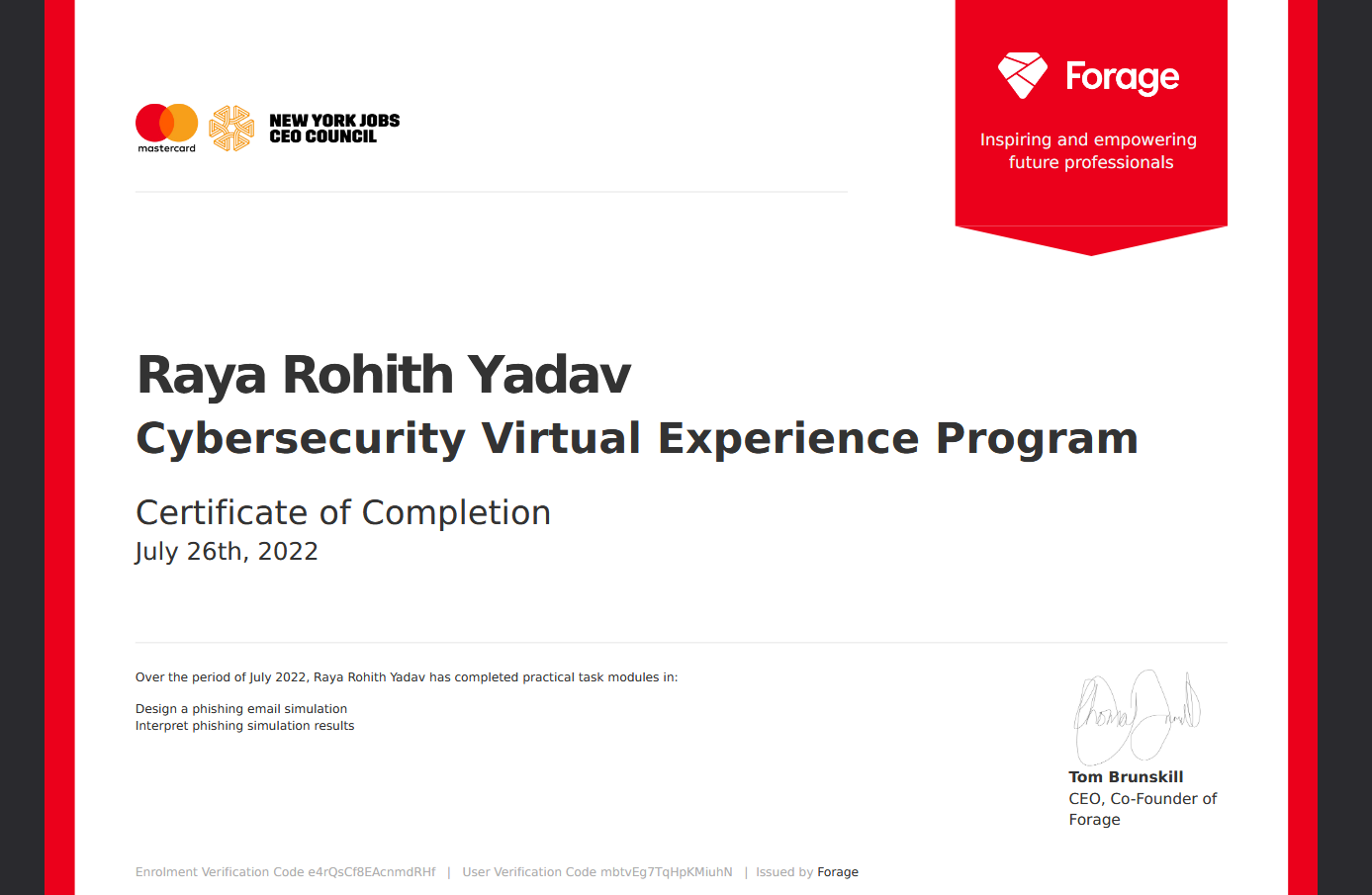
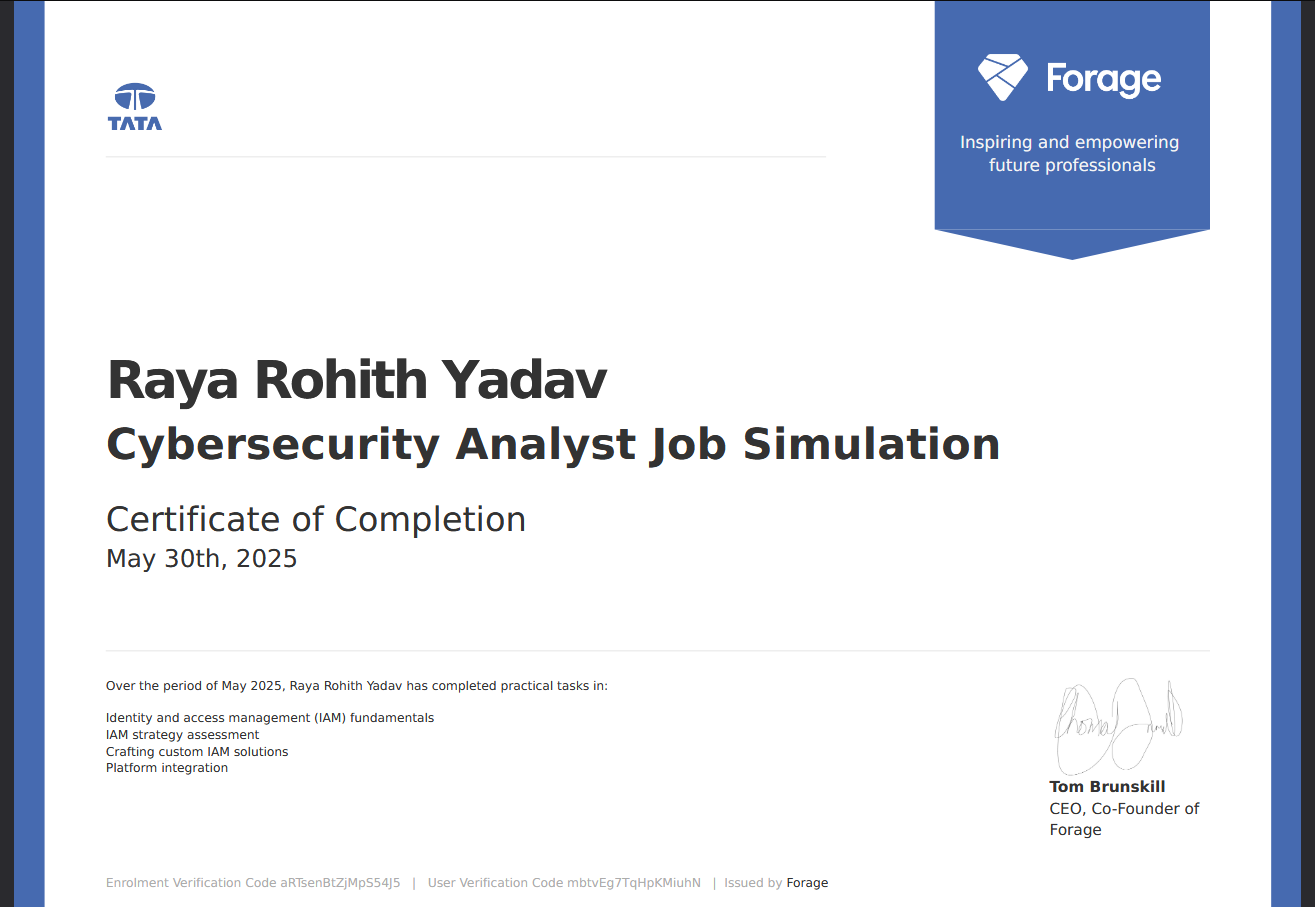
On the security side, I build detection engineering workflows using Microsoft Sentinel, Defender XDR, and KQL, design and implement ISMS frameworks aligned to ISO 27001, and conduct web application vulnerability assessments following the OWASP Testing Guide.
On the AI side, I work as an AI Training Consultant at iMerit Technology, contributing to model evaluation and training pipelines. I am actively building knowledge in agentic AI architectures, ZAG pipelines, and LLM security, including adversarial misuse, prompt injection, and control design aligned to OWASP LLM Top 10 and MITRE ATLAS.
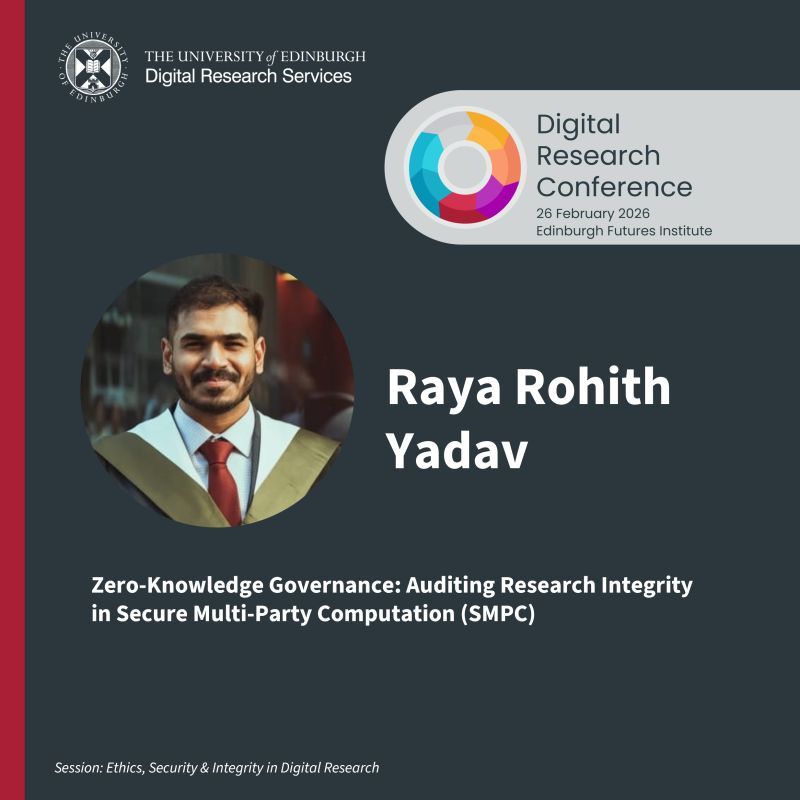
I delivered a conference talk at the Digital Research Conference 2026 at the Edinburgh Futures Institute on Zero-Knowledge Governance, proposing a cryptographic framework for auditing research integrity in Secure Multi-Party Computation environments.

Microsoft Sentinel SIEM with custom KQL detection rules for brute force, suspicious sign-ins, privilege escalation, and lateral movement. Full incident reports and operational runbooks mapped to MITRE ATT&CK.
Audit-grade ISMS portfolio for a fictional SaaS scenario. Full Annex A documentation, risk register, Statement of Applicability, internal audit execution with CAPA lifecycle and closure evidence.
Structured assessment of DVWA and OWASP Juice Shop across OWASP Top 10 (2021). 10 confirmed findings including SQLi (9.9 CVSS), file upload RCE, broken authentication, XSS, IDOR, and CSRF.
Supervised ML system classifying Tor Browser traffic with 81 to 88% accuracy using Random Forest, SVM, and XGBoost. Addresses anonymisation network detection as a threat to network visibility.
Governance framework combining SMPC and zero-knowledge proofs to audit research integrity without exposing sensitive data. Presented as a conference talk at Edinburgh Futures Institute, February 2026.
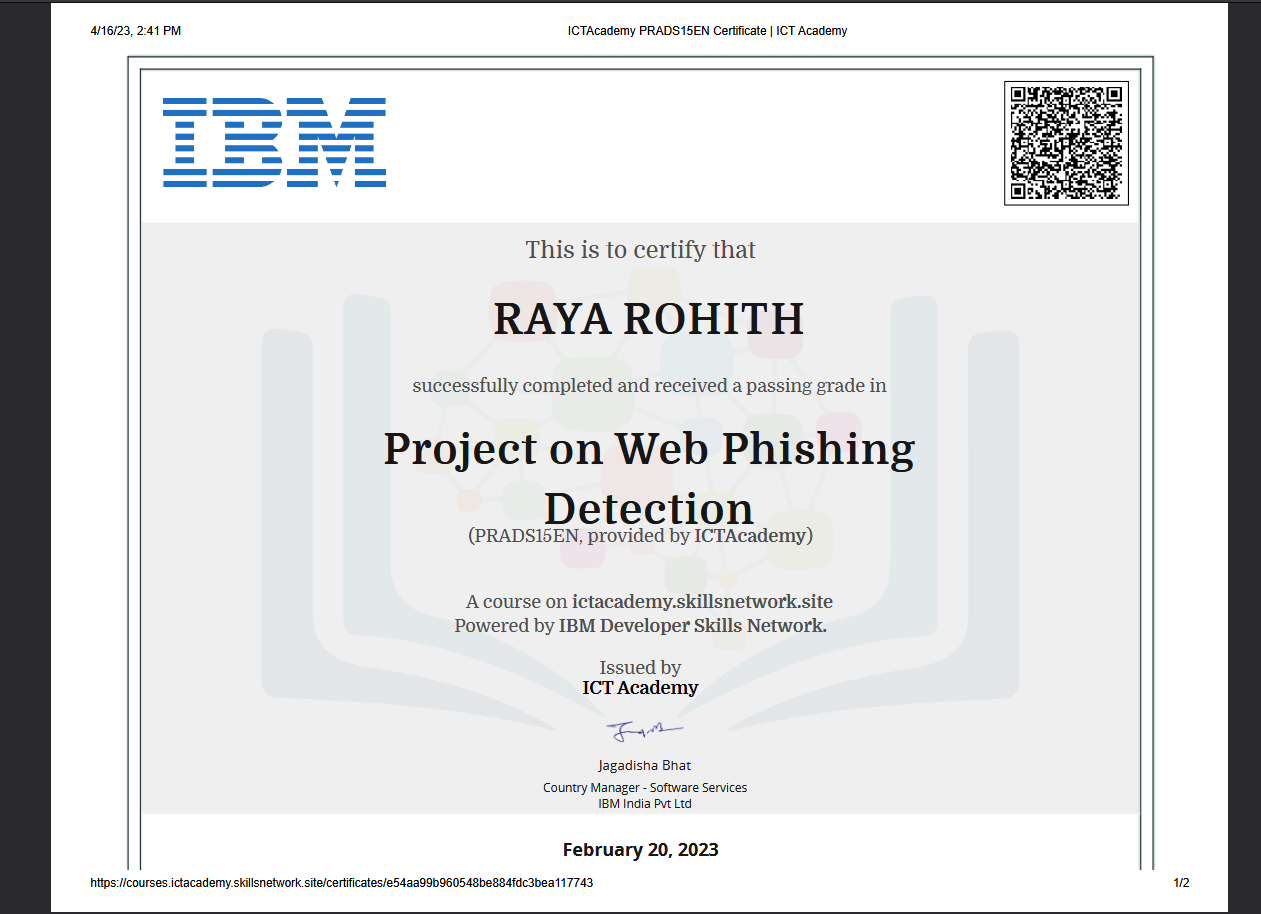
Classification system detecting phishing URLs based on domain identity, URL structure, and SSL indicators. Flask web app deployed on IBM Watson Studio. Collaborative undergraduate project (AICTE / IBM).
Edinburgh Futures Institute, University of Edinburgh, 26 February 2026. Presented a lightning talk on Zero-Knowledge Governance: Auditing Research Integrity in Secure Multi-Party Computation (SMPC). Session chaired by Professor John Vines on Ethics, Security and Integrity in Digital Research.